Not all watt-hours are created equal — here's how to cut through spec-sheet marketing and choose a solar generator that actually powers what you need, when you need it, without overpaying for capacity you'll never use.
Why Solar Generators Matter More Than Ever in 2026
Grid instability, extreme weather, and rising off-grid living trends have pushed portable power stations from niche gear to essential infrastructure. Whether you're prepping for outages, running a remote cabin, or overlanding across states, a solar generator setup determines how comfortably you ride out a power gap.
Unlike gas generators, solar generators are silent, produce zero emissions indoors, and require no fuel logistics. The tradeoff is understanding capacity (watt-hours), output (watts), and recharge speed — get those wrong and you'll own an expensive brick that can't run what you need.
The Three Numbers That Actually Matter
Before comparing brands, understand the specs that determine real-world usability. Marketing copy loves big numbers, but only three actually predict performance.
- Capacity (Wh): Total stored energy. A 1000Wh unit runs a 100W device for roughly 10 hours before efficiency losses.
- Output (W): How much power it can deliver at once. Low output units can't start high-draw appliances like fridges or power tools even with plenty of stored capacity.
- Recharge rate (solar input W): Determines how fast panels refill the battery. Higher input means usable power again in hours, not days.
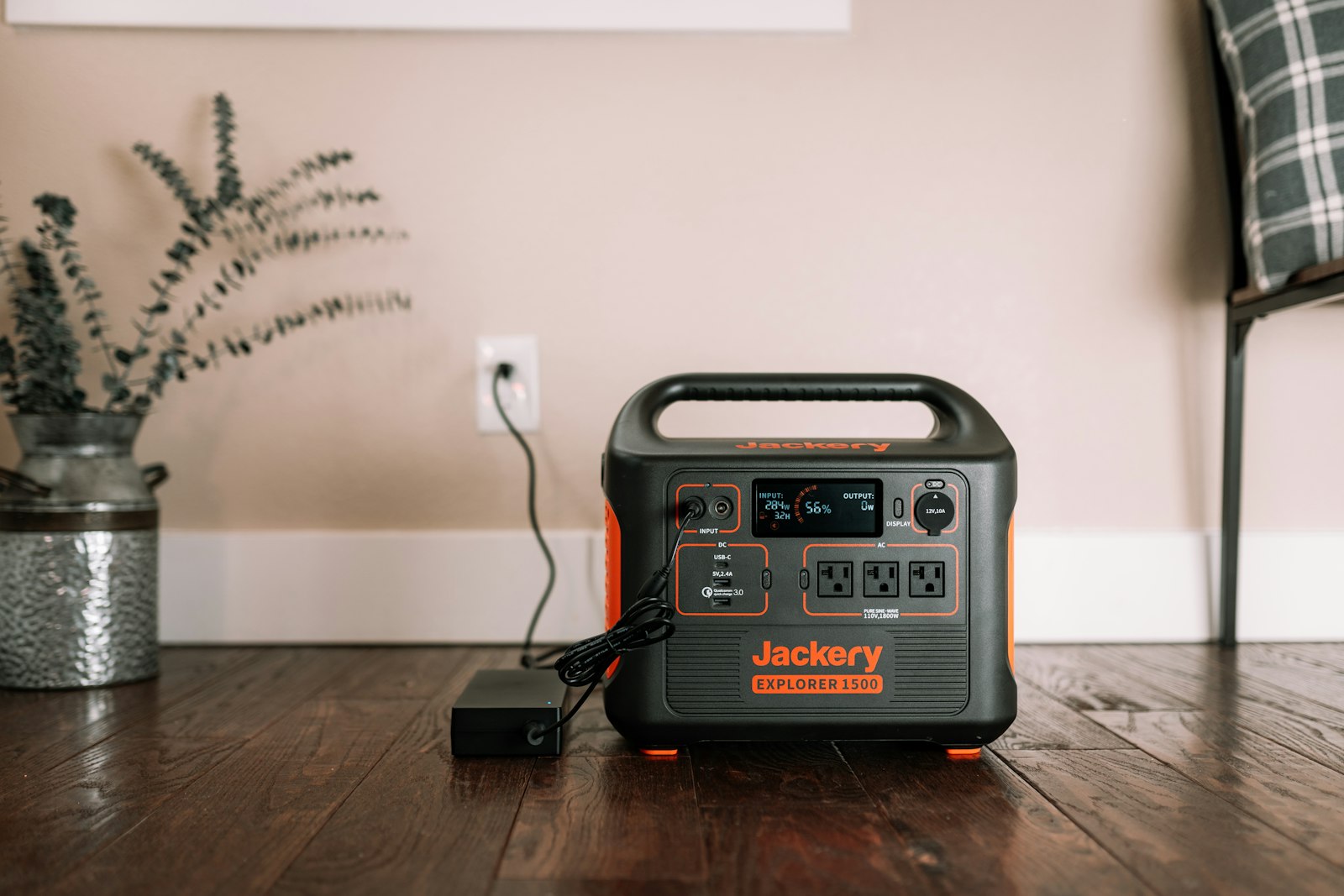
Capacity vs. Output: The Tradeoff Nobody Explains Well
A common mistake is buying based on capacity alone. A 2000Wh station with only 1000W output can store plenty of energy but will trip or fail to start anything power-hungry — think microwaves, space heaters, or compressor fridges, which often spike well above their rated wattage on startup.
Conversely, a high-output unit with modest capacity runs demanding tools briefly but drains fast. The sweet spot for most households is a mid-capacity unit (1000-2000Wh) paired with output in the 1800-3000W range, which covers the vast majority of home backup and off-grid scenarios without overspending on capacity you'll rarely use.
| Use Case | Recommended Capacity | Recommended Output | Ideal Solar Input |
|---|---|---|---|
| Weekend camping / device charging | 300-500Wh | 300-600W | 60-100W |
| Cabin backup / CPAP + lights | 500-1000Wh | 600-1000W | 100-200W |
| Home essentials (fridge, wifi, lights) | 1000-2000Wh | 1800-2200W | 200-400W |
| Whole small-home backup / workshop | 2000-3000Wh+ | 3000W+ | 400W+ |
Value: What You're Actually Paying For
Price-per-watt-hour is the metric savvy buyers use, but it isn't the whole story. Battery chemistry matters just as much. LiFePO4 (lithium iron phosphate) cells cost more upfront but deliver 2-4x the charge cycles of standard lithium-ion — often rated for 2,500-3,500 cycles versus 500-800. Over a 10-year ownership window, that difference can make the pricier LiFePO4 unit the cheaper option per year of service.
Also factor in expandability. Many 2026-era solar generators support additional battery modules, letting you start smaller and scale capacity later instead of overbuying on day one. This is often the smartest value play for anyone unsure of their exact power needs.
Compare Top-Rated Solar Generator Kits
Browse current bestsellers with LiFePO4 batteries, expandable capacity, and bundled solar panels — filter by output and capacity to match the table above.
Shop Solar Generators →Panels: The Often-Overlooked Half of the System
A solar generator without adequate panel wattage is just an expensive battery you charge from a wall outlet. Match your panel wattage to your station's max solar input — undersized panels mean you'll never recharge at the rate the unit is capable of, especially on cloudy days when real-world output can drop 40-70% below rated specs.
Foldable monocrystalline panels in the 100-200W range per panel are the current standard for portability, and most 1000Wh+ stations support connecting two or more panels in series to hit their full input ceiling.
Foldable Solar Panels for Faster Recharge
High-efficiency monocrystalline panels designed to pair with major solar generator brands — built for field durability and quick daytime recharge cycles.
View Solar Panels →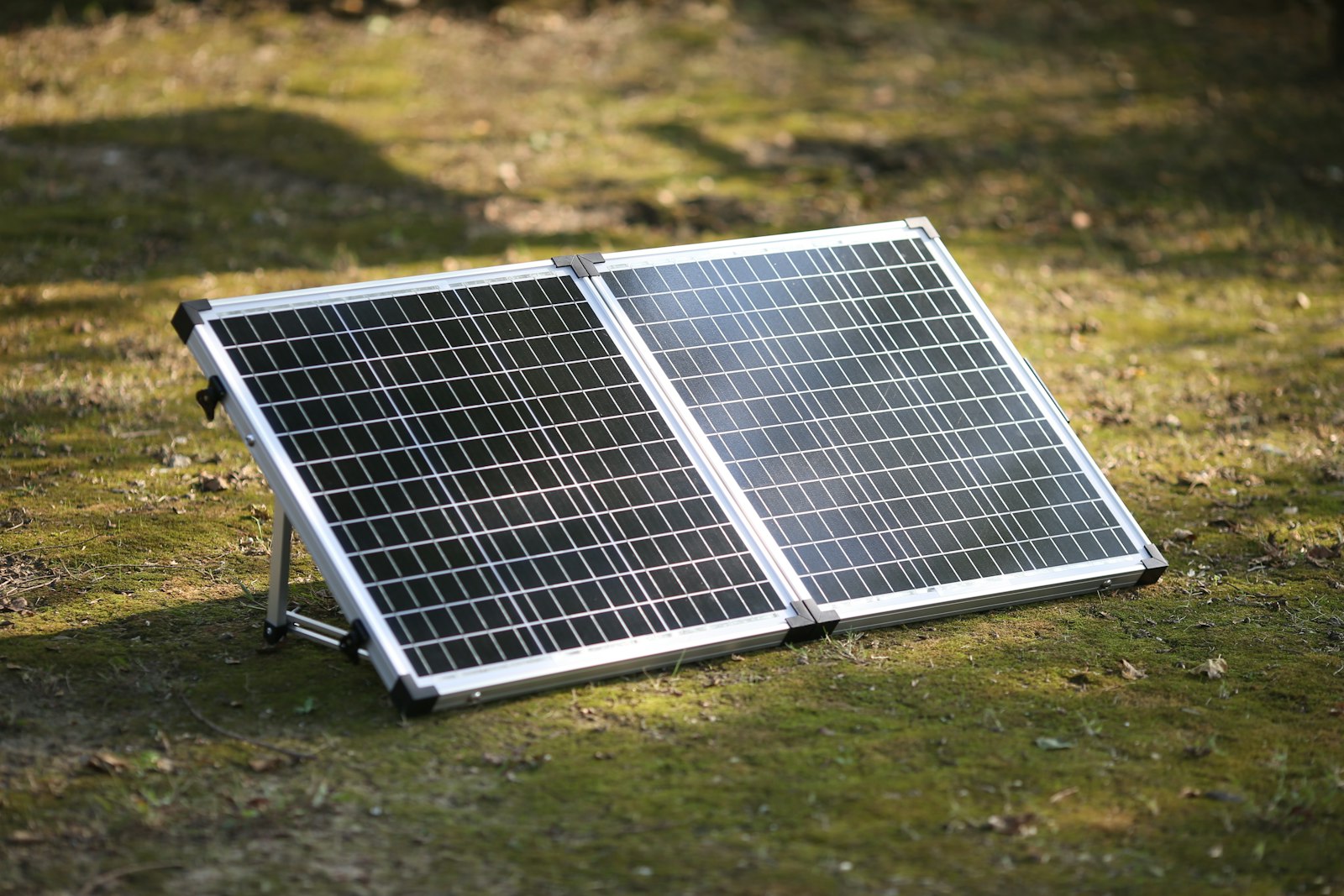
Common Mistakes That Waste Money
The most expensive mistake is buying capacity you don't need while under-shooting output. A 3000Wh unit with weak 1200W output leaves you unable to run a space heater or air compressor, even though you have plenty of stored energy sitting unused.
The second mistake is ignoring pass-through charging speed — the ability to run AC/DC input and output simultaneously. If you're relying on a generator during an extended outage, you want a unit that keeps charging from solar while also powering your fridge, not one that forces you to choose.
- Buying on capacity alone without checking output wattage
- Skipping panel wattage matching, leaving solar input capped
- Ignoring cycle life ratings — cheap lithium-ion degrades fast under daily use
- Underestimating startup surge wattage for compressor-based appliances
Building a System, Not Just Buying a Box
The most resilient off-grid setups treat the solar generator as one component in a system: battery station, solar input, and a realistic inventory of what you'll actually power. Before buying, list your must-run devices and their wattage, add 20% headroom for surge draw, and size your station and panels against that number rather than the flashiest spec sheet.
2026's best solar generators aren't necessarily the biggest — they're the ones matched precisely to your load, with LiFePO4 longevity and expandable capacity so your investment grows with your needs instead of becoming obsolete.
Bundled Solar Generator + Panel Kits
Save on shipping and compatibility guesswork with all-in-one kits pairing a rated power station with matched solar panels in a single bundle.
Shop Bundle Kits →From across the network
More from the network on related topics: BlackoutAlpha · TrainLikeAlpha · VitaminSupplyCenter.