Boondocking freedom starts with power you can trust — and that means sizing your panels, battery bank, and inverter correctly the first time. This guide walks through every core component of a 2026-ready RV solar system, with real sizing math instead of marketing guesswork, so you can stop guessing and start living off-grid with confidence.
Why RV Solar Is Worth the Investment in 2026
Boondocking without a generator running all night is one of the great luxuries of RV travel — silent mornings, no fuel runs, no noise complaints at the campground. A properly sized solar system turns your rig into a self-sufficient power station that quietly recharges every day the sun is up.
But RV solar is also where a lot of money gets wasted. Buy too little panel wattage or too small a battery bank and you'll be running the engine to top off anyway. This guide breaks down the three core components — panels, battery, and inverter — and how to size them correctly for real-world use, not brochure numbers.
Step 1: Sizing Your Solar Panels
Panel wattage should be based on your daily energy consumption, not on how much roof space you have left. Start by adding up the watt-hours you use per day: a CPAP machine, laptop charging, a 12V fridge, lighting, and phone charging for two people typically lands between 1,000 and 2,500 watt-hours daily.
As a rough rule, 100 watts of solar in good sun produces about 300-400 watt-hours per day. Most full-time boondockers land in the 400-800 watt range of rooftop solar, often supplemented with a portable folding panel for shade-chasing or angling toward low winter sun.
- Rooftop rigid panels: durable, permanent, best for daily driving use
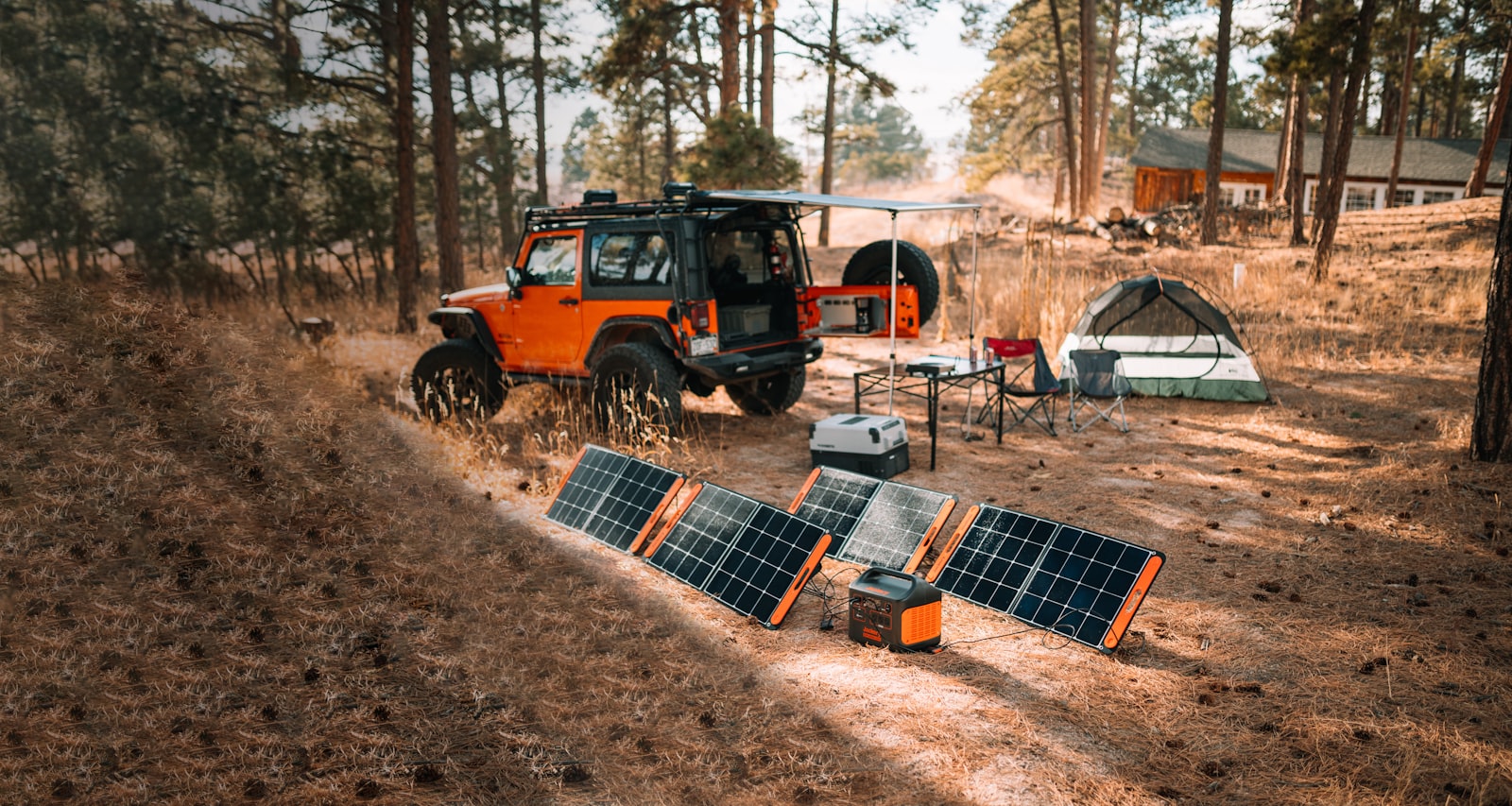
- Portable/folding panels: ideal for parking in shade and manually chasing sun
- Flexible panels: lighter and low-profile, but typically shorter lifespan than rigid glass panels
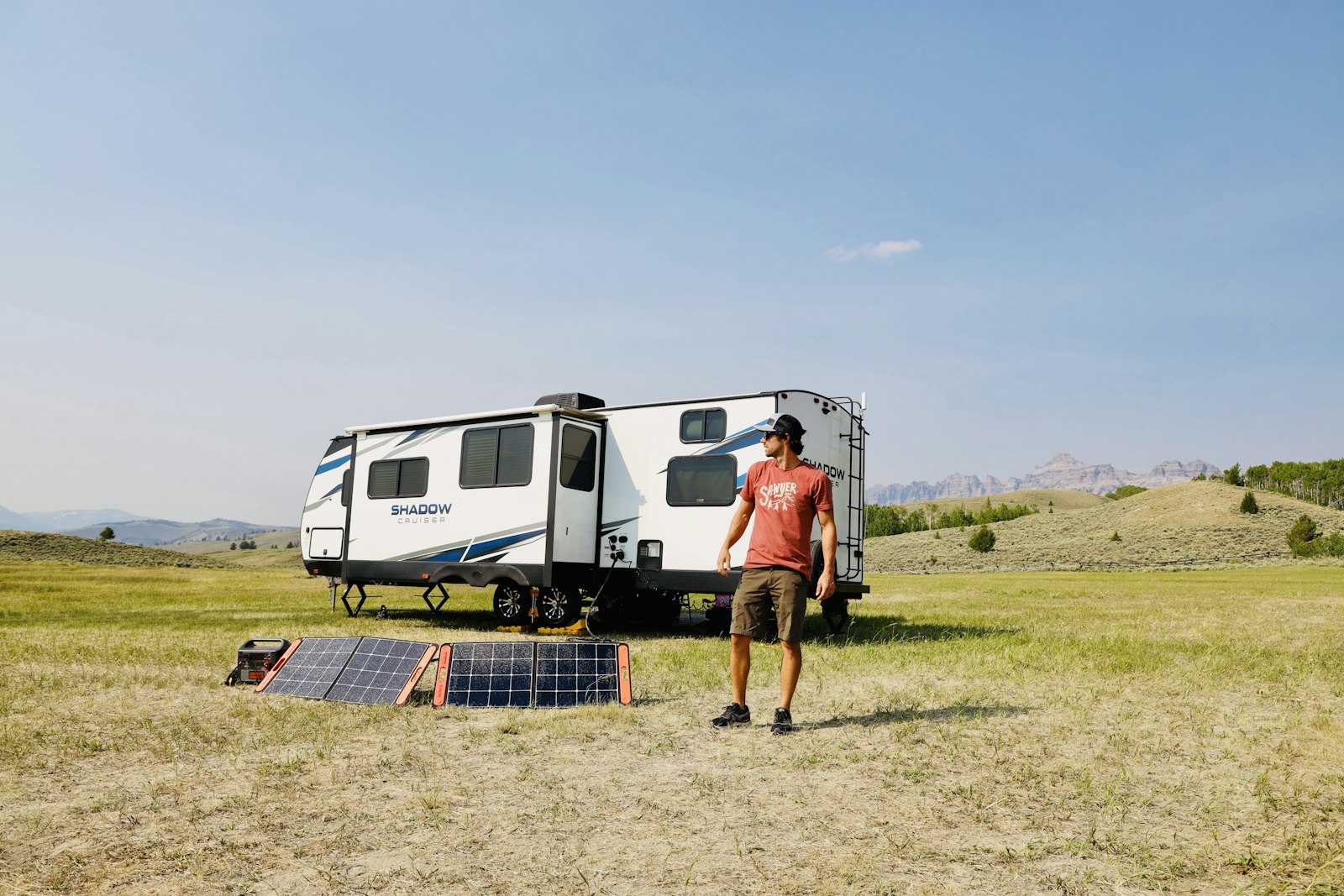
Compare Top-Rated RV Solar Panel Kits
Browse rigid, flexible, and portable panel kits with real wattage ratings and included charge controllers to start building your array.
Shop Solar Panels →Step 2: Choosing the Right Charge Controller
The charge controller regulates how power flows from your panels to your battery, and the type you choose has a real impact on efficiency. MPPT (Maximum Power Point Tracking) controllers are 20-30% more efficient than older PWM controllers, especially in cloudy or cool conditions, and they allow you to wire panels at higher voltages for longer cable runs.
Size the controller to your panel array's amperage with at least 20% headroom to handle temperature swings and future panel additions. A slightly oversized MPPT controller is cheap insurance against having to replace it when you upgrade your array later.
Step 3: Building the Battery Bank
Your battery bank is where most RVers should spend the bulk of their budget. Lithium iron phosphate (LiFePO4) batteries have become the standard for good reason: they offer roughly double the usable capacity of lead-acid for the same rated size (since they can be discharged to near 100%), thousands of charge cycles instead of hundreds, and no venting or spilling concerns.
Battery capacity should match your daily consumption plus a buffer for cloudy days. A common target is 2-3 days of autonomy without sun, which for most two-person rigs means 200-400 amp-hours of lithium capacity.
- LiFePO4 (lithium): longest lifespan, full depth of discharge, lightest weight, higher upfront cost
- AGM lead-acid: lower upfront cost, heavier, limited to roughly 50% usable capacity
- Look for built-in Bluetooth monitoring so you can track state of charge from your phone
| Battery Type | Usable Capacity | Cycle Life | Best For |
|---|---|---|---|
| LiFePO4 (Lithium) | ~100% | 3,000-5,000+ cycles | Full-time boondockers, weight-conscious builds |
| AGM Lead-Acid | ~50% | 300-500 cycles | Occasional campers, tighter budgets |
| Flooded Lead-Acid | ~50% | 200-300 cycles | Backup or entry-level setups only |
Step 4: Selecting an Inverter
The inverter converts your battery's stored DC power into AC power for standard outlets — running a microwave, laptop charger, or coffee maker. Match inverter wattage to your highest simultaneous AC load, then add a safety margin for the startup surge that motors and compressors draw.
Pure sine wave inverters are the only real option for modern electronics, sensitive appliances, and anything with a motor. Modified sine wave inverters are cheaper but can cause humming in speakers, reduced efficiency in some devices, and outright failure to run certain electronics.
- 1,000-2,000W: covers laptops, phone chargers, small kitchen appliances
- 2,000-3,000W: adds a microwave or small AC unit on soft-start
- 3,000W+: needed for larger air conditioners or power tools
Pure Sine Wave Inverters for RV Systems
Find inverter/charger combo units sized for common RV loads, with clean power output for sensitive electronics.
View Inverters →Wiring, Fusing, and Safety Basics
Undersized wire and missing fuses are the most common — and most dangerous — mistakes in DIY solar builds. Every circuit between panels, controller, battery, and inverter needs a fuse or breaker rated to the wire's ampacity, not just the device's rated draw.
Use a solar wire sizing chart based on your cable run length and amperage to avoid voltage drop, which silently robs you of charging efficiency even when everything looks like it's working fine. When in doubt, size wire and fuses generously — the cost difference is minor compared to the risk of a fire.
Round Out Your Off-Grid Power Kit
Pair your solar build with rugged, weather-resistant gear made for full-time off-grid and overland power systems.
Explore Off-Grid Gear →Putting It All Together
A well-designed RV solar system isn't about buying the biggest panels or the most expensive battery — it's about matching every component to your actual power habits. Start with an honest daily watt-hour estimate, size panels and battery to cover it with a buffer, choose an MPPT controller with headroom, and pick a pure sine wave inverter rated for your real peak load.
Do that, and you'll spend far more nights parked in silence, running on sunshine instead of diesel.
From across the network
More from the network on related topics: BlackoutAlpha · TrainLikeAlpha · VitaminSupplyCenter.